Apple iPhone 17 Pro
Apple's 6.3-inch Pro iPhone with the A19 Pro chip, ProMotion OLED display and a 48MP Pro Fusion camera system.
- Display
- 6.3-inch Super Retina XDR OLED, up to 120Hz ProMotion
- Chip
- A19 Pro
- Storage
- 256GB, 512GB, 1TB
GADGET REFERENCE
Browse manufacturer-backed phones, wearables, audio products and other gadgets with the evidence that matters close to the card: quick specs, verification recency, source coverage and market-aware pricing availability.
Gadget
Apple's 6.3-inch Pro iPhone with the A19 Pro chip, ProMotion OLED display and a 48MP Pro Fusion camera system.
Samsung's 2026 Ultra flagship with a 6.9-inch display, integrated S Pen, Snapdragon 8 Elite Gen 5 for Galaxy and a 200MP main camera.
Google's 6.3-inch Pro Pixel pairs the Tensor G5 platform with a high-resolution LTPO OLED display, Qi2-compatible Pixelsnap charging and Google's flagship camera and AI feature set.
Official manufacturer image Fairphone's sixth-generation modular smartphone emphasizes repairability and long software support rather than maximum flagship performance. It combines a 6.31-inch LTPO OLED display, Snapdragon 7s Gen 3, 8GB of RAM and 256GB of expandable storage with a removable 4,415mAh battery. The practical tradeoff is that its IP55 protection and USB 2.0 data speeds are less aggressive than many sealed premium phones, while replaceable parts, microSD expansion and software support through 2033 are unusually strong ownership advantages.
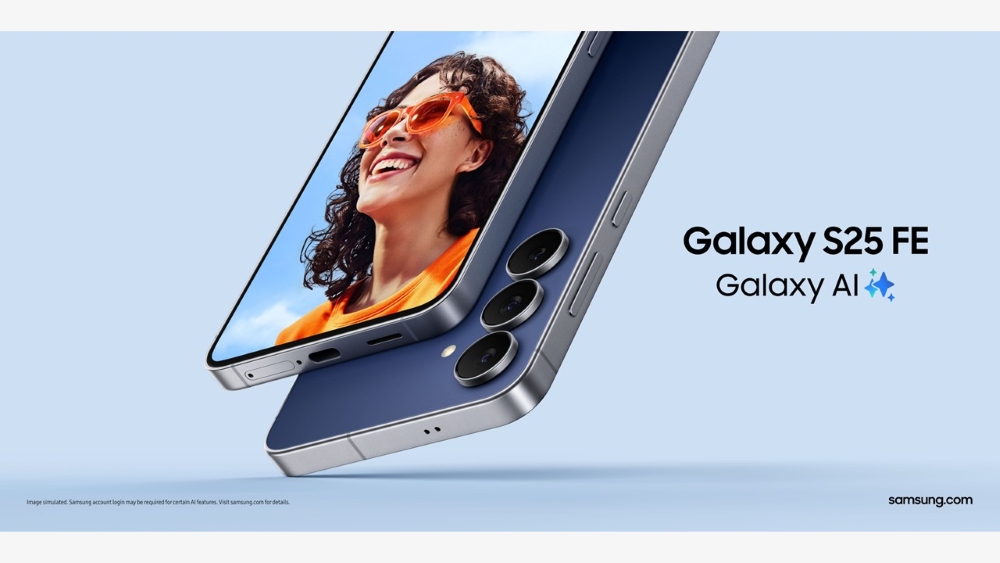
Official manufacturer image Samsung's Galaxy S25 FE is a large-screen Fan Edition phone that pairs a 6.7-inch 120Hz AMOLED display, Exynos 2400, 4,900mAh battery and a 50MP/12MP/8MP rear camera trio with seven generations of OS upgrades and seven years of security updates. It is a strong fit for buyers who value display size, long software support and a 3x optical telephoto without Ultra-tier pricing; compared with Samsung's smaller flagship models, the tradeoffs include a larger 190 g body, an older 4nm processor and a 45W charger that is sold separately. Galaxy AI availability varies by market, account and software version.
Samsung's standard Galaxy S26 is the compact model in the 2026 flagship family, pairing a 6.3-inch 1-120Hz Dynamic AMOLED 2X display with 12GB of memory, 256GB or 512GB storage and a three-camera rear system with a dedicated 3x telephoto. Its 167 g body is materially lighter than the S26+ and Ultra, but the tradeoff is a smaller 4,300 mAh battery and slower 25W wired charging than the larger models. Samsung's global specification table notes that the application processor can vary by market, so the U.S. Snapdragon configuration should not be assumed for every region.
Samsung's Galaxy S26+ is the large-screen middle model in the S26 family. It keeps the same 50MP wide, 12MP ultrawide and 10MP 3x telephoto camera layout as the standard S26, but moves to a 6.7-inch QHD+ 1-120Hz display, a larger 4,900 mAh battery and faster 45W wired charging. That makes it the more practical choice for buyers who want longer battery headroom and a larger canvas without moving to the heavier, more expensive Ultra. The tradeoff is size and weight: at 190 g, it is materially less compact than the 167 g S26, while processor availability can vary by market between Snapdragon 8 Elite Gen 5 for Galaxy and Exynos 2600.
Gadget
Apple's Series 11 smartwatch is offered in 42mm and 46mm sizes, with aluminum or titanium cases and GPS or cellular configurations depending on case material.
Samsung's Galaxy Watch8 is the lighter, bezel-free model in the Watch8 family, offered in 40 mm and 44 mm cases. Its main strengths are the bright sapphire-covered AMOLED display, dual-frequency GPS, Samsung BioActive Sensor suite and relatively thin 8.6 mm chassis. Buyers choosing between sizes should note that the larger watch gains a 1.47-inch display and 435 mAh battery versus 1.34 inches and 325 mAh on the 40 mm model, while both retain 2GB of memory and 32GB of storage. Advanced wellness features can depend on region, compatible Android hardware, Samsung Health and account requirements, so availability should be checked before buying for a specific health feature.
Gadget
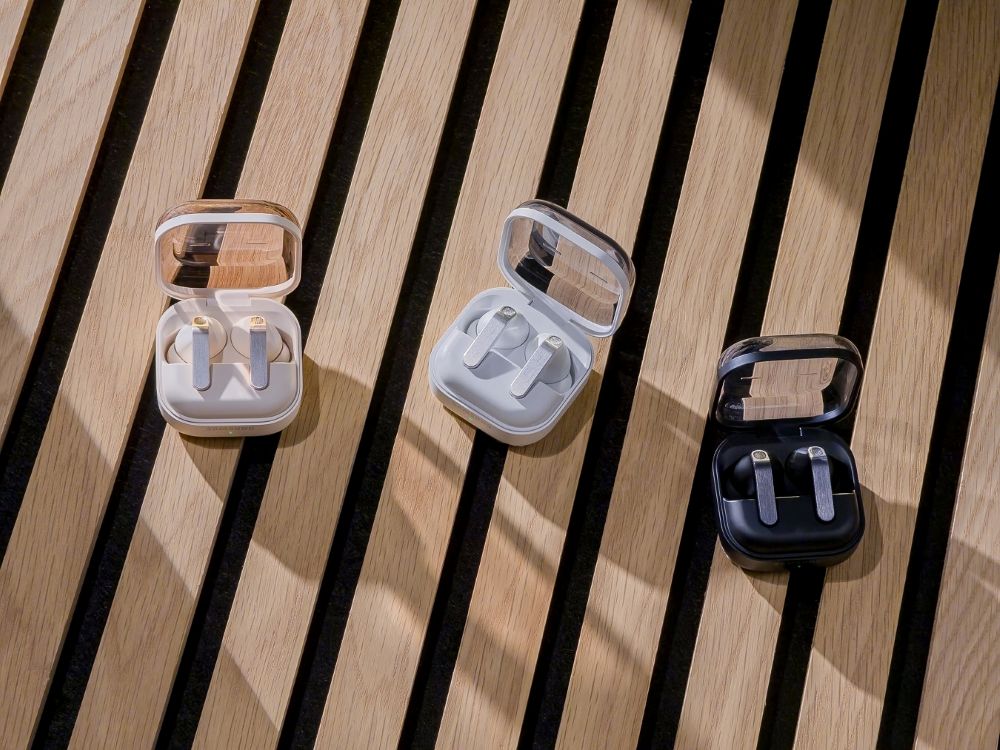
Official manufacturer image Samsung's 2026 flagship wireless earbuds use a canal-fit design with a two-way speaker system, enhanced adaptive ANC/EQ, 24-bit/96kHz audio support on compatible Galaxy devices and IP57-rated earbuds. They are a better fit for listeners prioritizing isolation and feature depth than the open-fit Buds4, but Samsung notes that advanced features and highest-quality audio depend on compatible Galaxy hardware and software.
Samsung's Galaxy Buds4 are the open-fit alternative in the 2026 Buds4 family. They use an 11 mm single-driver design with adaptive ANC and EQ, support Samsung's higher-quality audio modes on compatible Galaxy hardware, and carry IP54 protection on the earbuds. The open fit is likely to suit listeners who dislike silicone tips, but it provides less physical isolation than the canal-fit Buds4 Pro and lacks the Pro model's two-way driver, IP57 rating and voice/siren detection. Battery figures also depend on ANC use, so buyers should compare the exact listening mode rather than relying on the longest headline number.
Gadget
Official manufacturer image Samsung's 14.6-inch Galaxy Tab S11 Ultra is a desktop-oriented Android tablet with a 120Hz Dynamic AMOLED 2X panel, Dimensity 9400+, included S Pen and enhanced DeX that can extend work across the tablet and an external monitor. Its large canvas, microSD expansion and 11,600mAh battery suit drawing, video and multi-window work, while the 1.52-lb chassis is less comfortable for handheld reading than smaller tablets and the 45W power adapter is sold separately.
Samsung's 11-inch Galaxy Tab S11 is the more portable member of the S11 tablet family. It combines a 120Hz Dynamic AMOLED 2X display, Dimensity 9400+ processor, 12GB of memory, microSD expansion and an included redesigned S Pen in a 469 g Wi-Fi chassis. Compared with the 14.6-inch Ultra, the standard S11 gives up screen area, Wi-Fi 7 and battery capacity, but it is substantially lighter and easier to use handheld. Buyers should also note that the 45W adapter and suitable 5A cable are sold separately, and 5G availability, storage options and other specifications can vary by market.
Gadget
Samsung Galaxy Z Fold7 is an 8-inch book-style foldable built around a 6.5-inch cover display, Snapdragon 8 Elite for Galaxy, a 200MP main camera and a 4,400mAh battery. At 215 g and 8.9 mm folded, its practical appeal is a substantially larger workspace without the mass of earlier Fold generations, but the trade-offs remain important: the flexible inner display requires more care than a conventional slab phone, IP48 is not a promise of dust-proof operation, the 25W wired charging figure is modest for the price class, and Galaxy Z Fold7 does not support S Pen input. Storage, color, carrier availability, AI features and promotional pricing vary by market, so Lohabook treats the exact configuration and official evidence as part of the record rather than assuming every Fold7 is identical.
Gadget
Samsung's Galaxy A57 5G is a 6.7-inch midrange Android phone that focuses on long support, a thin 179 g chassis and practical camera hardware rather than flagship extras. It combines a 120Hz Super AMOLED+ display, 50MP main camera, 12MP ultrawide, 5,000 mAh battery and IP68 protection, while Samsung commits to up to six generations of Android/One UI upgrades and up to six years of security updates. The buying tradeoff versus the Galaxy S26 family is straightforward: A57 costs substantially less and offers strong everyday durability, but it lacks the S-series telephoto hardware, premium wireless-charging features and top-tier processor. Buyers should also budget for a compatible 45W charger because Samsung sells it separately, and should treat the company's charging and battery-duration claims as controlled-test results rather than guaranteed real-world figures.
Samsung's Galaxy A37 5G is a midrange Android phone aimed at buyers who want a large 120Hz AMOLED screen, long software support and IP68 protection without moving into flagship pricing. It pairs a 6.7-inch FHD+ Super AMOLED display with a 50MP main camera, 5,000 mAh battery and Android 16 with One UI 8.5. Compared with the Galaxy A57 5G, the A37 is heavier and uses a lower-resolution 8MP ultrawide camera, but its lower U.S. starting price makes it the more value-oriented option for buyers who do not need the A57's thinner body or upgraded ultrawide hardware. Samsung's charging, durability and battery-life claims are based on stated test conditions, and storage/color availability varies by retailer and market.
Gadget
Samsung Galaxy Ring is a lightweight smart ring focused on passive wellness and sleep tracking rather than smartwatch-style apps or a display. Its titanium-framed design includes accelerometer, optical heart-rate/PPG and skin-temperature sensors, 10ATM and IP68 water/dust resistance, and battery life rated by Samsung at up to seven days depending on ring size and usage. Samsung expanded the size range to US sizes 5 through 15 in 2025, but buyers should use the sizing kit because Galaxy Ring sizing differs from conventional jewelry. The ring requires a compatible Android phone, Samsung Health, Galaxy Wearable and a Samsung account for its core experience; Samsung also explicitly states its health features are for general wellness and are not medical diagnosis or treatment tools. The practical appeal is low-friction overnight tracking and a compact form factor, while the tradeoff versus a Galaxy Watch is the absence of an on-device screen, GPS and richer workout interaction.
Gadget
Samsung Galaxy Tab S10 Lite is a 10.9-inch Android tablet aimed at note-taking, study, streaming and everyday multitasking. It combines a 2112 x 1320 TFT display with up to 90Hz refresh behavior on Samsung's current U.S. product page, Exynos 1380 processor, 8,000 mAh battery, microSD expansion up to 2TB and an S Pen included in the box. Its main value is the combination of expandable storage and bundled pen support at a lower price than Samsung's Tab S flagship family. The compromises are equally important: this is a TFT rather than AMOLED display, the cameras are basic, and accessories such as the Book Cover Keyboard are separate purchases. Samsung's AI and productivity features also vary by app, account, language and region, so the tablet is better evaluated as a flexible midrange Android slate than as a substitute for a high-end laptop.
Gadget
Official manufacturer image Apple's 2026 MacBook Air with M5 is the portability-focused Mac laptop for buyers who value long battery life, silent fanless operation and a thin aluminum chassis more than sustained workstation-class cooling or broad port selection. The line comes in 13.6-inch and 15.3-inch Liquid Retina versions, starts with 16GB unified memory and 512GB SSD storage, and adds Apple's N1 wireless chip for Wi-Fi 7 and Bluetooth 6. The 13-inch model is the easier travel choice, while the 15-inch model provides more workspace without changing the basic fanless design. Important limitations remain: there are only two Thunderbolt 4 ports, memory and storage are not user-upgradeable after purchase, and heavy sustained CPU/GPU workloads may be better suited to a MacBook Pro with active cooling. Apple rates battery life at up to 18 hours under its stated test conditions, so real-world endurance will vary with workload, display brightness and network use.
Gadget
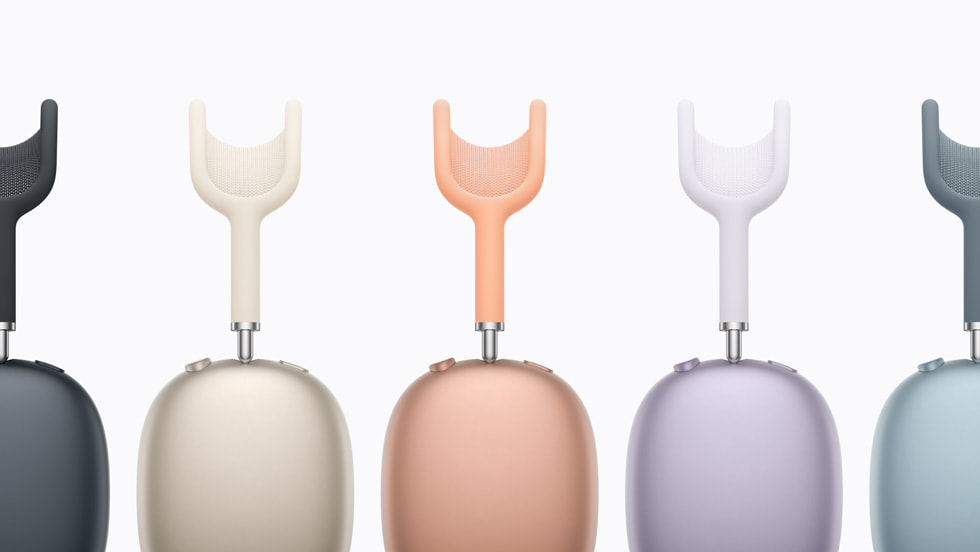
Official manufacturer image AirPods Max 2 are Apple's second-generation premium over-ear headphones, built around an H2 chip in each ear cup and aimed at listeners already invested in Apple devices. Compared with the original AirPods Max, Apple adds stronger active noise cancellation, Adaptive Audio, Conversation Awareness, Voice Isolation and USB-C lossless audio support. The headphones also support Personalized Spatial Audio and up to 20 hours of listening with ANC enabled under Apple's stated test conditions. Their strengths are tight Apple-device integration, strong noise control and wired USB-C lossless capability; the tradeoffs are the high price, a relatively heavy 386.2 g design, and feature dependencies that can require current Apple hardware, firmware and regional language support. Buyers who mainly need lightweight travel headphones or platform-neutral features should weigh those constraints carefully before paying the premium.
Gadget
Samsung Galaxy Book6 Ultra is a 16-inch Windows creator-class laptop built around a 2880 x 1800 touch AMOLED display, Intel Core Ultra Series 3 processors and either Intel Arc or NVIDIA GeForce RTX 5060/5070 graphics depending on configuration. Samsung rates supported configurations for up to 30 hours of local video playback, but that laboratory figure should not be read as mixed-use battery life. The practical draw is a relatively slim 15.4 mm chassis with a high-resolution display, dedicated-GPU options, Wi-Fi 7 and useful full-size connectivity for creative work. The tradeoffs are a high purchase price, configuration-dependent CPU/GPU availability, and a 1.89 kg / 4.17 lb weight for discrete-GPU versions. Buyers should verify the exact SKU before ordering because Samsung's current U.S. configurator spans integrated and discrete graphics and pricing changes significantly with processor, graphics and memory choices.
Gadget
Samsung Galaxy A27 5G is a midrange Android phone centered on a 6.7-inch FHD+ Super AMOLED 120Hz display, Snapdragon 6 Gen 3, 5,000 mAh battery and a 50MP main camera with optical stabilization. Samsung commits to six generations of OS upgrades and six years of security updates from its stated global manufacture timing, which strengthens the phone's long-term value at this price tier. The compromises are equally relevant: IP64 protection is designed around dust and splashes rather than submersion, the 5MP ultrawide and 2MP macro cameras are modest, and storage/memory availability can vary by market. Samsung's U.S. launch announcement says sales began July 14, 2026 at $349.99, so buyers should still verify carrier, color and inventory availability for their location rather than assuming every configuration is immediately stocked.
Samsung Galaxy A56 5G is a mainstream midrange Android phone that combines a 6.7-inch FHD+ Super AMOLED display with a 120Hz refresh rate, a 5,000 mAh battery, 45W wired charging and a 50MP main camera with optical image stabilization. Samsung's U.S. and global launch material also commits the model to up to six generations of OS upgrades and six years of security updates, which is a meaningful ownership advantage for buyers who keep a phone for several years. The strongest practical appeal is the balance between display quality, battery capacity, IP67 protection and long software support at a sub-flagship price. Tradeoffs include no telephoto camera, a modest 5MP macro camera, no charger in the box, and configuration or color availability that can vary by market. Samsung's current U.S. retail pages continue to position the phone from $499.99, but individual unlocked SKUs may be temporarily out of stock, so availability should be checked separately from list price.
Gadget
Samsung Galaxy Tab S10 FE is a 10.9-inch Android tablet aimed at students, general productivity users and buyers who want an included S Pen without moving to Samsung's flagship tablet pricing. Its official specification combines a 90Hz LCD, Exynos 1580, 8,000 mAh battery, 45W wired charging, IP68 water/dust resistance and microSD expansion up to 2TB. The included S Pen and relatively light 497 g Wi-Fi chassis make it useful for handwritten notes and portable study or work, while Wi-Fi 6 and optional 5G cover common connectivity needs. Important tradeoffs are that the display is LCD rather than AMOLED, the stereo system uses two speakers rather than the richer multi-speaker setups found on higher-end tablets, and the 45W power adapter is sold separately. Samsung currently lists the U.S. Wi-Fi 128GB model at a $549.99 list price, while promotional pages have recently shown temporary discounts; Lohabook records the list price rather than a short-lived sale price.
NEW · ROUTERS + HOME NETWORKING
Use the evidence-first guide to separate 6 GHz, 320 MHz channels, Multi-Link Operation, multi-gig Ethernet and mesh backhaul. It ends in four bounded paths: keep the current router, upgrade one router, use mesh, or fix the wired path first.
NEW · LAPTOPS + MONITORS + DOCKS
Separate connector shape from DisplayPort Alt Mode, USB4, Thunderbolt, charging wattage and cable capability. The new worksheet checks the laptop, dock, monitor and cable as one evidence-backed signal path before comparing 3–5 candidates.
NEW · CONNECTED HOME + HVAC
Start with control voltage, HVAC type, stages, heat-pump/AUX behavior, zones and power method. Then compare local control, cloud/account dependencies and official compatibility results across 3–5 candidates—without turning the page into a rewiring guide.
NEW · HOME STORAGE + BACKUP
Separate RAID redundancy from backup, map local and off-site copies, verify endpoint backup and restore workflows, then compare bays, supported drives, snapshots, remote-access exposure, UPS behavior and lifecycle evidence across 3–5 candidates.
NEW · HOME APPLIANCES + LAUNDRY
Use the evidence-first guide to check ventless installation, drainage, capacity, standardized energy/cycle metrics, maintenance, refrigerant context and official manuals/support before comparing models.
NEW · TVS + CONSOLES + HDMI
Use the new compatibility worksheet to separate panel refresh from console frame rate, verify the exact HDMI input and cable chain, and keep 120 Hz, VRR, ALLM, HDR and firmware as distinct evidence-backed checks.
NEW · ROBOT VACUUMS + HOME PRIVACY
Separate navigation from obstacle avoidance, record cloud and app dependencies, measure the dock, check mixed-floor mopping behavior, and verify reset, consumables, firmware and official support before comparing models.
NEW · HOME APPLIANCES + COOKING
Use the new compatibility worksheet to check magnetic cookware, exact cutout dimensions, voltage/amperage, cooking-zone layout, controls, standardized energy evidence and official installation/support documents before comparing 3–5 models.
NEW · CONNECTED HOME + SECURITY CAMERAS
Compare event vs continuous history, local vs cloud storage, subscription dependencies, account/security controls, power, network topology, household sharing, reset/resale behavior and official support before ranking 3–5 cameras or video doorbells.